
Just Started Learning Spanish? Don't Let These Words Confuse You

Someone asks you to pass them a carpeta.
You haven't studied the word. But it looks familiar enough to make a guess.
What would you hand them?
Show the answer
A folder. Here, carpeta is the folder you use to hold papers.
Already knew that one? Keep going. The next four words offer a few more chances to test your first impression.
1. Carpeta: look at what's inside
Picture the same moment with a little more detail. Someone opens the carpeta, slides your appointment papers inside, and hands it back.
Now the action gives you a clue: carpeta is a folder here.
The English word "carpet" may have suggested something for the floor. The papers show you what the speaker actually means.
Here's the twist: carpeta traces back through French to the English word "carpet". Related words can end up with different everyday meanings.
Why a familiar spelling can suggest the wrong meaning
There is a name for this kind of mix-up: false friends. These are words from different languages that look similar but differ in meaning, as the RAE's definition explains.
It's easy to see the appeal of the first guess. You recognize part of a word and connect it with something you already know in English. Sometimes that connection is useful. Sometimes you need another clue.
For the next few words, use the situation as well as the spelling.
2. Sopa comes with a spoon
A waiter sets a steaming bowl in front of you. There's a spoon beside it. Your friend points to it and says, "That's your sopa."
Does the English word "soap" still seem like a good match?

Sopa means soup in this scene.
Give the word something you can picture: a spoonful of warm sopa on a cold day.
3. Ropa goes in your suitcase
You're helping a friend pack. She takes shirts and trousers out of a drawer, folds them, and says she's nearly finished packing her ropa.
There isn't a length of rope in sight.
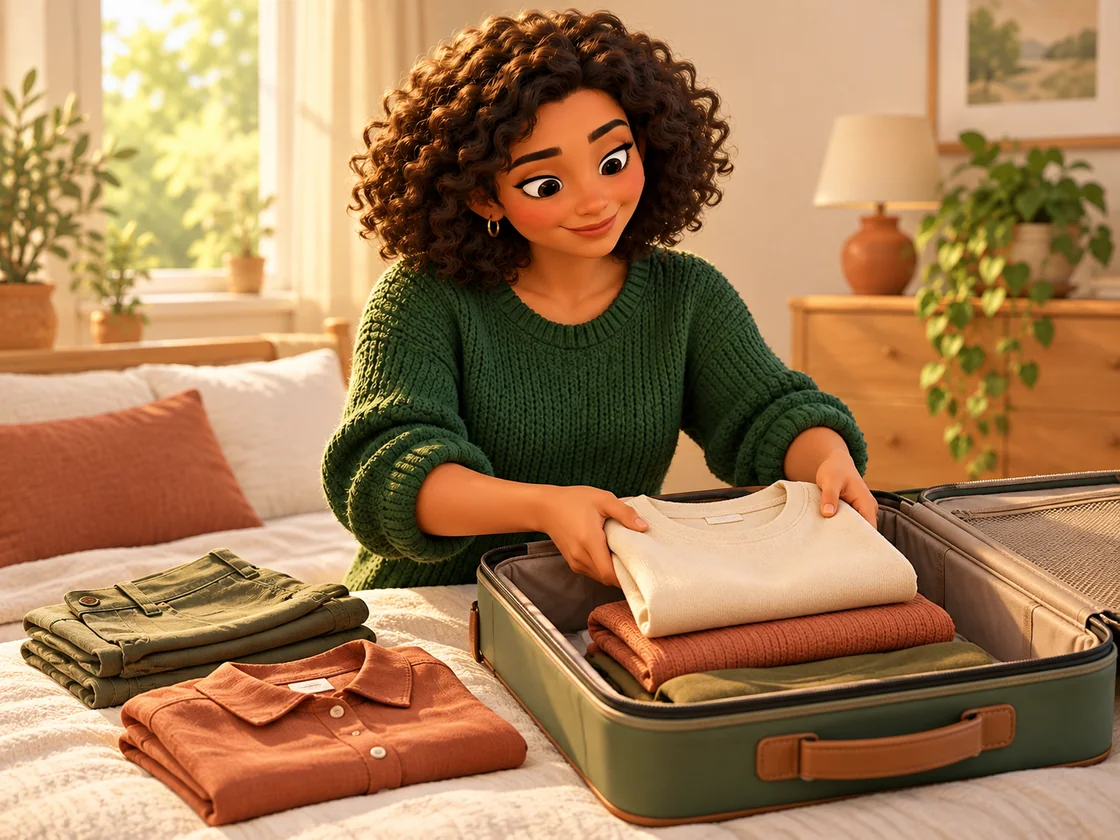
Ropa means clothes.
Packing it, washing it, putting it away: those everyday actions give you several ways to connect the word with its meaning.
4. Éxito is a reason to celebrate
Your friend passes an exam she has been preparing for. She holds up the result and celebrates. Afterwards, she describes it as an éxito.
She's talking about how well it went.

Éxito means success here.
The resemblance to "exit" can suggest a door. Her good result and the celebration point you toward a different meaning.
5. Librería: follow the price tags
You see librería above a shop door and step inside. The shelves have price labels. You choose a paperback and take it to the checkout.
What kind of place have you walked into?
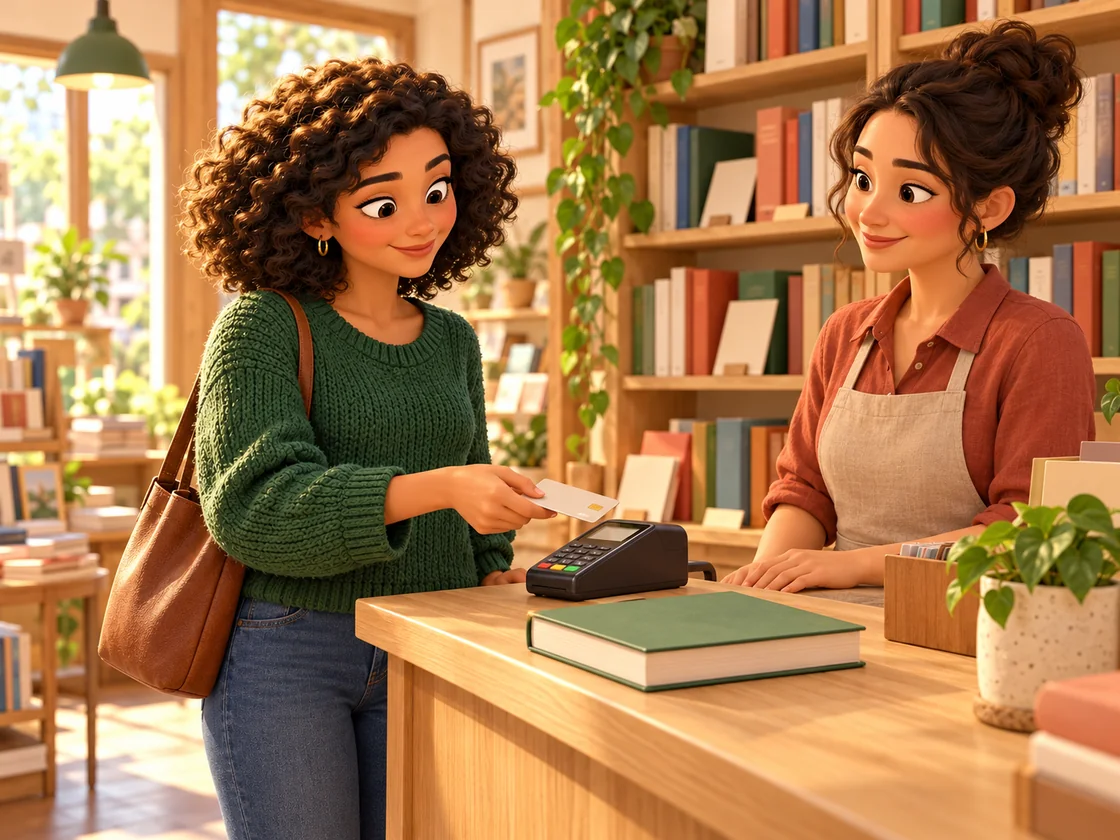
In this shopping scene, librería means bookshop.
The spelling may remind you of "library." The price tags and the payment help you choose the meaning that fits this particular scene.
Keep using English, and check the scene
You don't have to become suspicious of every Spanish word that looks familiar. English can give you a useful starting guess.
Then ask one more question: Does that meaning fit what's happening?
Look at the object, the action and the words around it. A bowl and a spoon help with sopa. Shirts and trousers help with ropa. If the meaning is still unclear, check a dictionary or ask someone.
Once you've checked the word, try using it in another small situation. That's the approach we explore in Learning Spanish? Here's Why New Words Don't Stick.
Try them in a new situation
Here are three small chances to use what you've just learned. All the Spanish words have already appeared above.
What are you putting the contract into?
At your new job, you put a signed contract into a carpeta.
Show the answer
A folder. The contract goes into a carpeta.
What are you having?
It's cold outside. You warm up with a bowl of sopa.
Show the answer
Soup. You're having a bowl of sopa.
What's the Spanish word for clothes?
You unpack shirts and trousers after a trip.
Show the answer
Ropa means clothes.
Take one word with you
Choose one of these words and give it a place in your day: carpeta with your paperwork, sopa with lunch, or ropa when you get dressed.
That connection between a useful word and an understandable situation is central to how Bambolingua introduces beginner Spanish.
The next time a Spanish word looks familiar, make your guess. Then give the rest of the scene a chance to tell you more.
Sources and further reading
- Real Academia Española and Asociación de Academias de la Lengua Española. Amigo: falso amigo. Diccionario de la lengua española. Definition of words with similar forms and different meanings across languages.
- Real Academia Española and Asociación de Academias de la Lengua Española. Carpeta. Diccionario de la lengua española, sense 1: a folder for holding papers.
- Real Academia Española and Asociación de Academias de la Lengua Española. Sopa. Diccionario de la lengua española, sense 1: a dish of broth and cooked ingredients.
- Real Academia Española and Asociación de Academias de la Lengua Española. Ropa. Diccionario de la lengua española: clothing.
- Real Academia Española and Asociación de Academias de la Lengua Española. Éxito. Diccionario de la lengua española, sense 1: a successful result.
- Real Academia Española and Asociación de Academias de la Lengua Española. Librería. Diccionario de la lengua española, sense 1: a shop selling books. The article's shopping scene establishes this sense; the entry also records other meanings.