
Why videos are the best illustrations for learning languages?
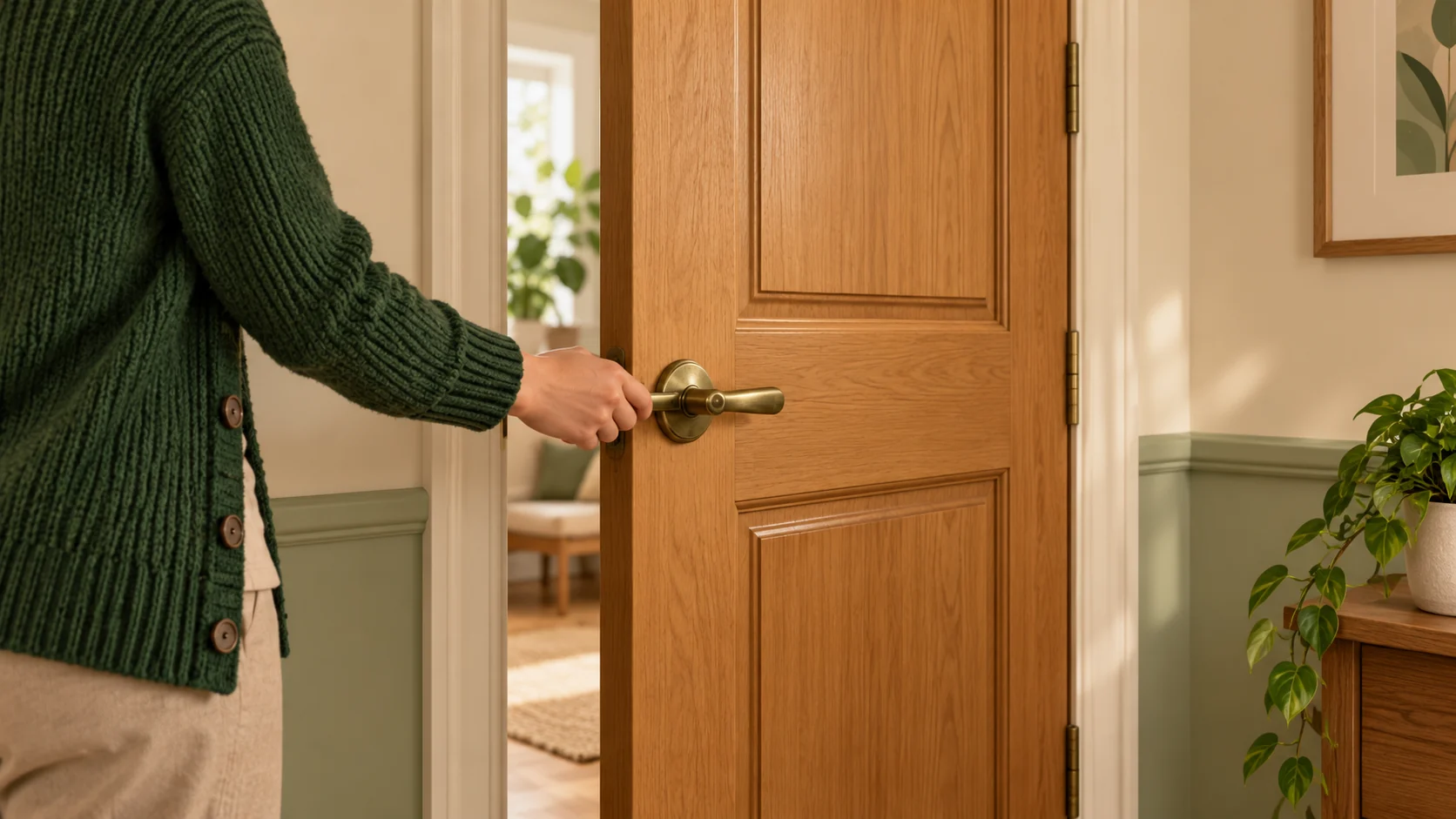
Someone has a hand on a door handle. Are they opening the door or closing it?
A still picture might leave you guessing.
Let the scene play. The door swings open. You can follow the action before you know its name in the language you are learning.
Hear the word at that moment, and the sound has something concrete to go with it.
For example, a Spanish learner might hear abrir, meaning to open. Someone learning English could connect open with the same scene. The movement helps make the meaning visible in either lesson.
That is something a short video can bring to your first steps in a new language: a meaning unfolding in front of you.
Watch the meaning happen
Abrir means to open.
Give the word an action to go with it
Think about what the door gives you. There is an object, a movement, and a visible change: the doorway becomes open.
When you meet the word again, you have a scene you can bring back to mind. You can remember what happened as you heard it.
You can also imagine the same action with your own front door, a window, or a box. The objects change, while the idea of opening stays recognizable.
For a beginner, that is a useful way to get started. You can understand one word through an everyday action before you can follow a conversation in the new language.
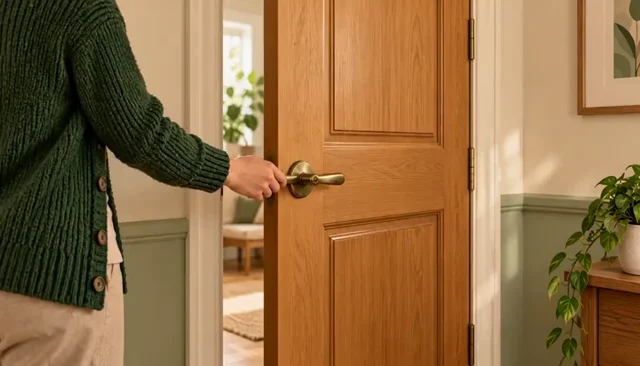
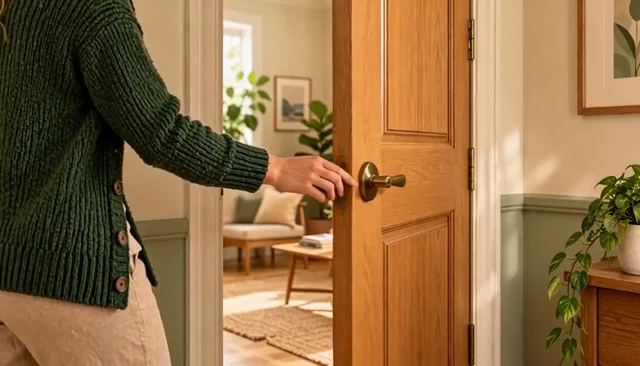
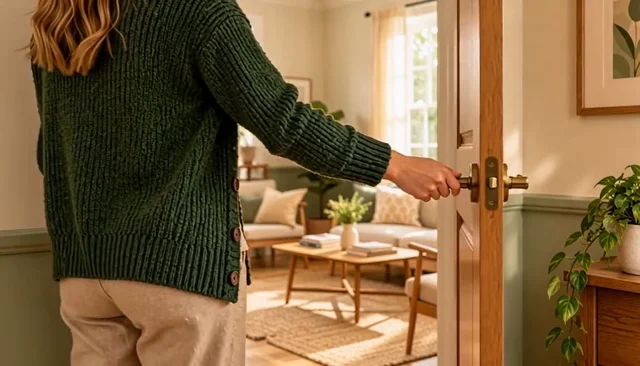
Abrir / to open
Watching can help while you stay in your seat
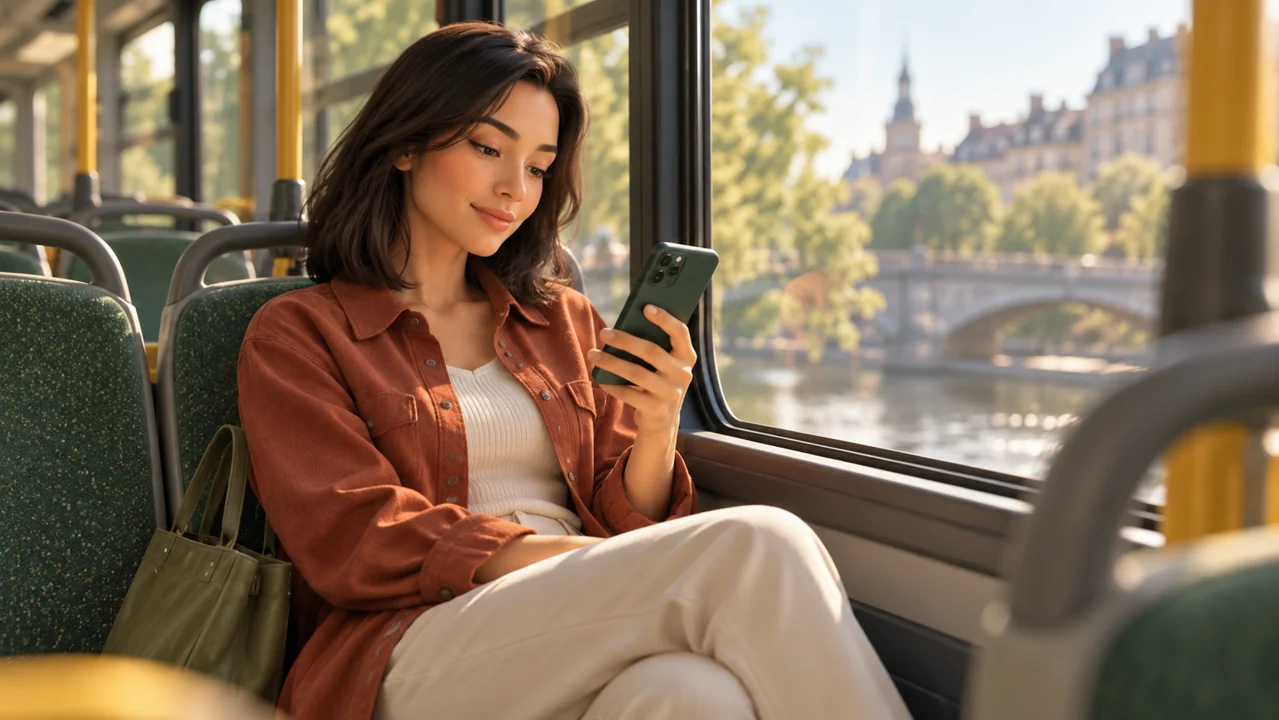
You might be learning on a bus, waiting for an appointment, or spending a few minutes with your phone after lunch.
Recreating an action for every new word would often interrupt the lesson. A word about swimming would require much more preparation than a word about opening a book.
A video makes those examples available wherever you are. You can watch someone pour a drink, pick something up, or open a door while staying exactly where you are.
There is research behind the value of watching meaningful movements. In a study of adults learning Japanese verbs, English-speaking university students heard words and their English meanings. Some also watched gestures representing the words; others watched and copied those gestures.
Both gesture groups recalled more than the group given verbal instruction alone, immediately after learning and one week later. Learners could benefit from seeing a meaningful movement even when they stayed still.
If performing a simple action fits your situation, you can try it too. A useful visual example should also make sense when you are simply watching.
What motion adds to a picture
A clear picture of a glass of water can already tell you a great deal about the object.
For opening, pouring, or catching, seeing the movement can add information about what happens. A hand beside a ball shows a moment. A moving scene can show the person catching it.
Studies comparing pictures and moving images have found different results. One study with 30 English learners found better immediate vocabulary-test performance for words supported by video clips and definitions than for words supported by pictures and definitions.
In another experiment involving motion verbs, both animations and still graphics helped on an immediate word-production test compared with text alone. No significant difference was detected between the two visual groups.
The useful question is what the visual helps you understand. In our door scene, movement has a clear job: it shows the change that opening involves.
One clear action is enough
A short learning clip can focus your attention on a single meaning.
For a word meaning to open, you want a clear view of the door opening and a clear connection with the word you hear. A short explanation in a language you already know can confirm what you have understood. You can focus on that one new word, even in your first lesson.
Replay the scene if the action or word went past too quickly. Look for what changes, then connect that change with the meaning.
A lot happening
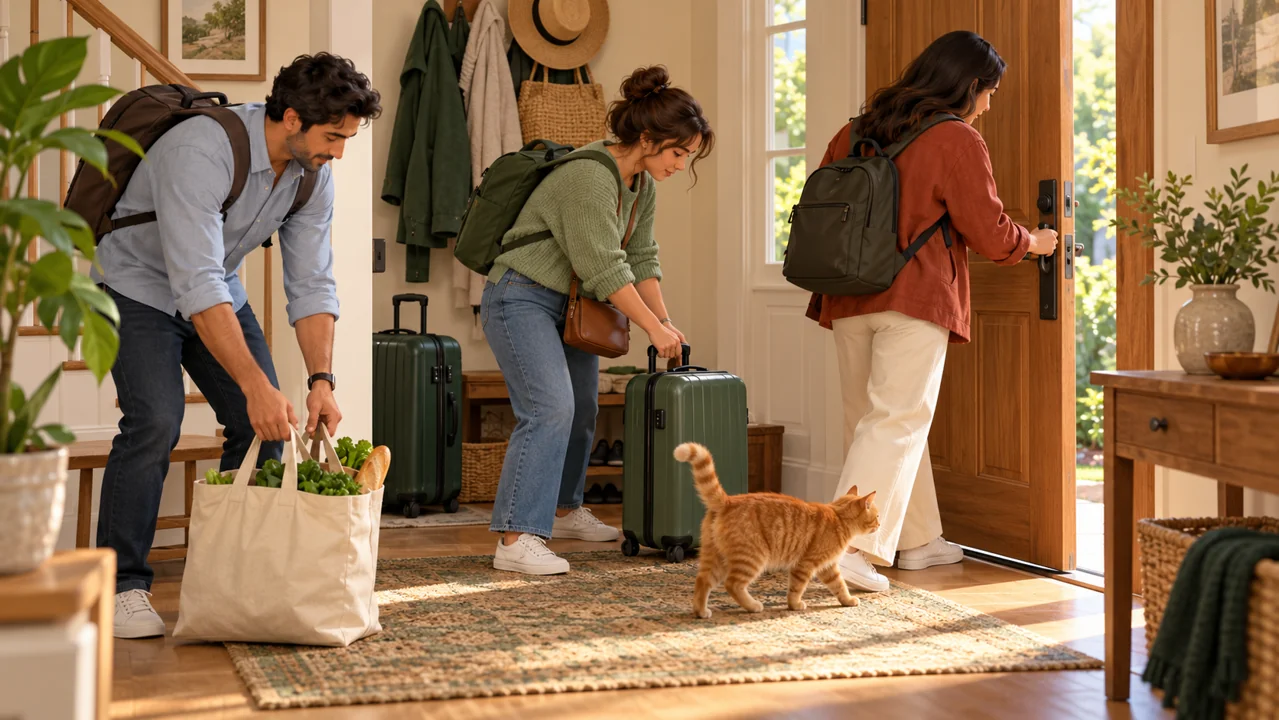
One action to follow
Pictures, a clear explanation, and movement can each contribute something useful. Our article about learning words in context uses Spanish examples to explore how a situation can help make a new word understandable.
Give the scene a second life in your mind
After watching, take your eyes away from the screen for a moment.
Can you picture the hand and the door opening? What was the word that went with the action?
Imagining the scene gives you a way to return to the example. Trying to find the word gives you something to check. If it does not come back, look at the answer and replay the clip.
Later, try picturing a different object being opened. You could use the window in your room or a box arriving at your door. Keep the meaning the same as you move to a new situation.
Same meaning, a different scene

Picture the door from earlier. What was the Spanish word meaning to open?
Show the answer
Abrir means to open. You can open a door, a window, or a box.
Why Bambolingua introduces new words with videos
Bambolingua uses videos when introducing new words in its beginner Spanish course. The aim is to give each word something observable to connect with.
A person takes a drink. A door opens. Someone turns a page. These are small events you can follow while the language itself is still unfamiliar.
For a mobile course, this makes everyday examples available during a short lesson. You can see the action while learning where you happen to be, then return to the example as you practice the word.
Understanding the scene is a beginning. You still need opportunities to remember and use the vocabulary over time.
The next time you learn a word for an action, look for a short scene that makes the movement clear. Watch what happens, try the word, and check. Give that new sound something you can picture.
Sources and further reading
- Sweller, N., Shinooka-Phelan, A., and Austin, E. (2020). The effects of observing and producing gestures on Japanese word learning. Acta Psychologica, 207, 103079.
- Al-Seghayer, K. (2001). The effect of multimedia annotation modes on L2 vocabulary acquisition: A comparative study. Language Learning & Technology, 5(1), 202-232.
- Lin, C.-C. (2009). Learning action verbs with animation. The JALT CALL Journal, 5(3), 23-40.